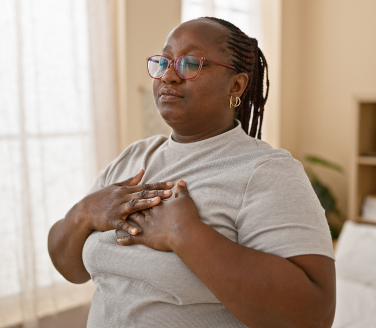
Menopause is a natural stage in a woman’s life. While it brings physical and emotional changes, it can also be a time to focus on prevention, build healthy habits, and take an active role in long-term well-being.
Women’s risk of chronic disease increases with menopause and age — but with the right support and lifestyle choices, you can stay healthy and in control.
Natural menopause is marked by the permanent end of menstruation and is not caused by medical treatment. It usually begins in the mid-to-late 40s and lasts anywhere from 2 to 8 years, with an average of about 4 years. Pregnancy is still possible during this transition and may delay menopause.
Early menopause occurs between ages 40 and 45 and affects about 5% of women. Factors may include smoking, not having children, or certain medications or treatments.
Menopausal stages
Menopause happens gradually and includes several stages:
- Perimenopause: Also called the menopausal transition, this is the time leading up to menopause when hormone levels begin to change.
- Menopause: Defined as 12 consecutive months without a menstrual period. It usually occurs between ages 45 and 58, with an average age of 52. Bleeding after this point is not normal and should be evaluated by a provider.
- Postmenopause: The time after menopause. Some symptoms may continue during this stage.
Common menopause symptoms
Changes in estrogen and progesterone affect everyone differently. Symptoms may include:
- Irregular periods
- Hot flashes
- Mood changes
- Sleep or memory issues
- Vaginal dryness and changes in sexual desire
Health risks after menopause
Lower hormone levels after menopause can increase the risk of:
- Osteoporosis
- Heart disease and stroke
- Urinary incontinence
- Oral health problems
This makes prevention and regular care especially important during and after menopause.
Lifestyle changes to support your health
Healthy habits can help manage symptoms and reduce long-term health risks.
Eat well and support bone health
- Calcium: Aim for about 1,200 mg per day from dairy, leafy greens, and fortified foods
- Vitamin D: 600–800 IU per day from fatty fish, fortified foods, or sunlight
- Magnesium: 300–320 mg per day from nuts, seeds, leafy greens, bananas, avocados, and beans
Support muscle health
- Protein supports muscle maintenance. Aim for 80–100 grams per day, or about 1.2–1.6 grams per kilogram of body weight, from lean meats, low-fat dairy, legumes, nuts, seeds, eggs, and soy products.
Stay hydrated
- Aim for eight 8-ounce glasses of water each day to support mood, focus, digestion, and temperature regulation.
Stay active and build strength
Physical activity is one of the best ways to support health during menopause.
- Aim for at least 150 minutes per week of moderate aerobic activity such as brisk walking, dancing, or swimming.
- Include weight-bearing and strength exercises like squats, pushups, or gym machines 2–3 days per week.
- Add flexibility, mobility, and balance training—such as stretching, yoga, Tai Chi, or Pilates—2–3 times per week to support balance and stability.
Manage mood and sleep changes
Menopause can affect sleep and emotional well-being. Helpful strategies include:
- Sleep well: Aim for 7–8 hours of sleep. Keeping your bedroom cool (around 60–67°F) may help reduce night sweats.
- Manage stress: Avoid taking on too much at once, delegate when possible, and ask for help when needed.
- Stay connected: Support groups or connecting with others going through menopause can provide reassurance and encouragement.
Take the next step
Swapping one sugary drink for water, cutting back on afternoon caffeine, or choosing lower-sugar options can help you feel more balanced and rested.
Small steps can help break the burnout cycle
Menopause doesn’t have to define you. With preventive care, healthy habits, and the right support, you can feel confident navigating this new chapter.
Talk to your provider about managing symptoms and protecting your long-term health.